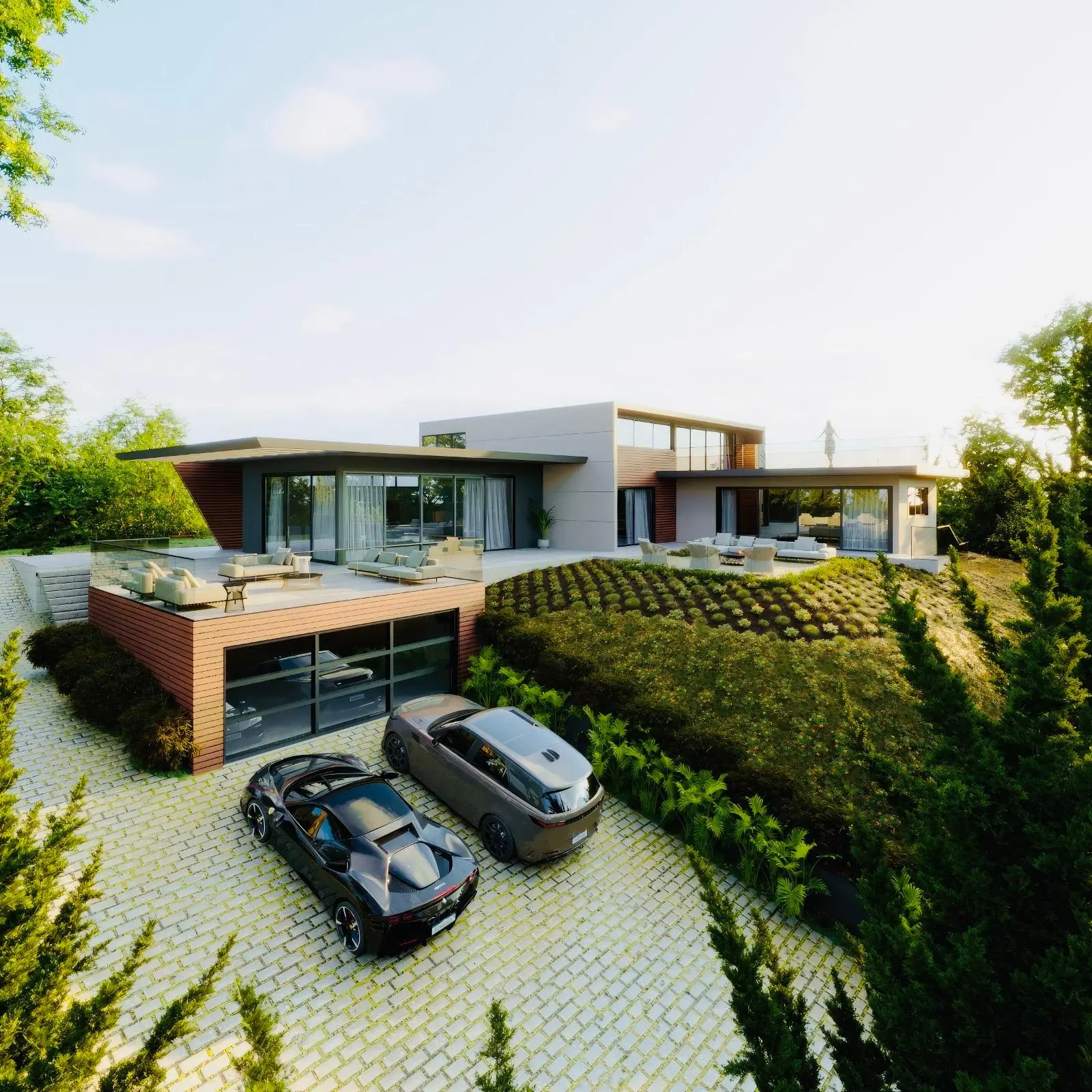
Malibu Coastal Estate
In Active Construction — Mid-2026 TargetProject Type
Luxury Hillside Estate
Location
Malibu, CA — Coastal Zone
Agencies Coordinated
3 Simultaneous
Status
In Active Construction
| Metric Category | Project Specification |
|---|---|
| Contractor of Record | DWD Builders Inc. (CSLB #B-991385) |
| Project Type & Class | Luxury Coastal Custom Home — Hillside |
| Location & Jurisdiction | Malibu, CA — California Coastal Zone |
| Project Type | Luxury Hillside Estate |
| Location | Malibu, CA — Coastal Zone |
| Agencies Coordinated | 3 Simultaneous |
| Status | In Active Construction |
| Project Status | In Active Construction — Mid-2026 Target |
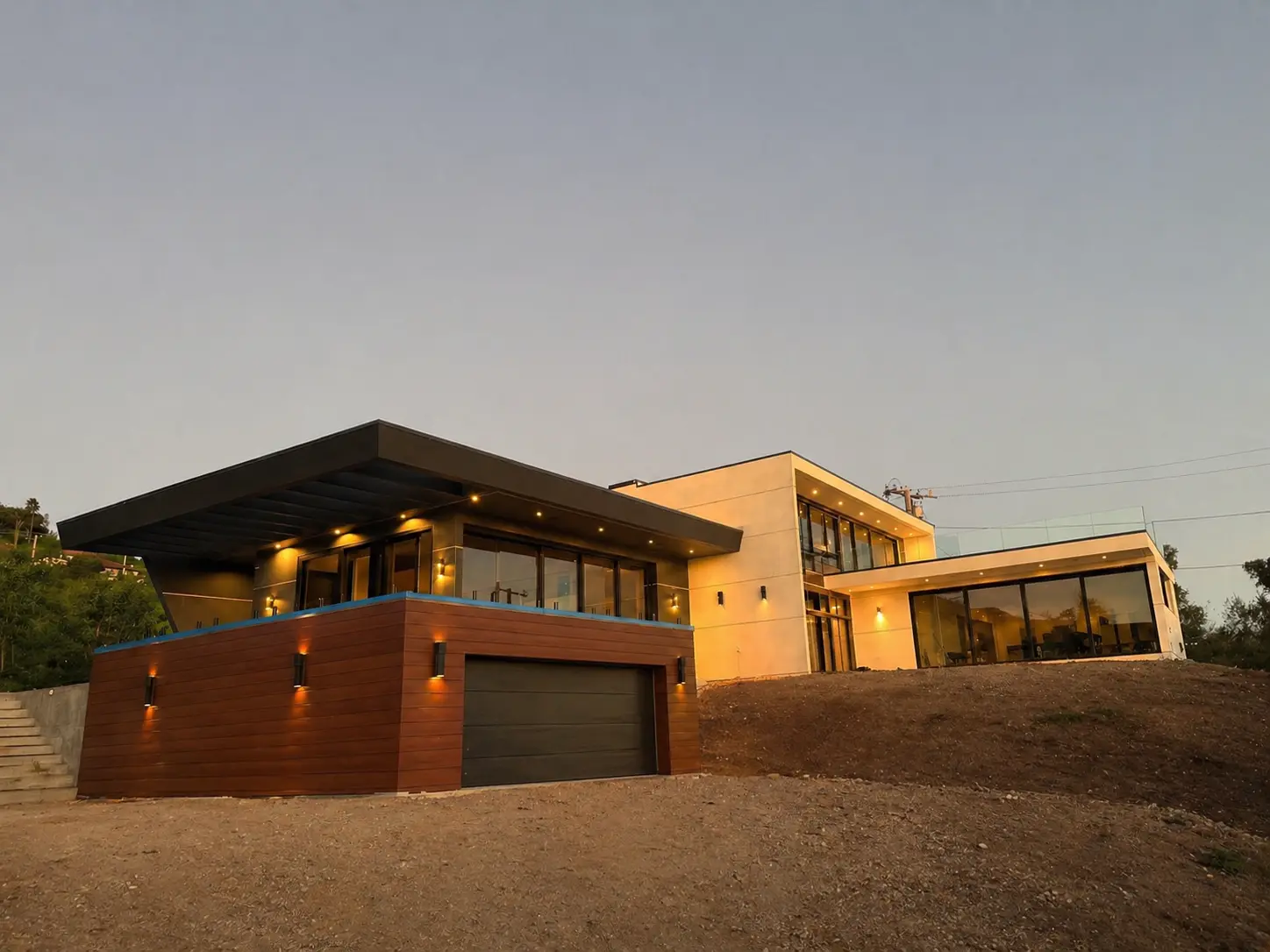
A luxury hillside estate currently in active construction in Malibu, California — situated within the California Coastal Zone on a steep hillside lot requiring one of the most complex entitlement environments in the state. Three independent regulatory bodies each hold veto authority over this project: the California Coastal Commission (Coastal Development Permit), the Los Angeles County Fire Department (Chapter 7A, fuel modification plan, and fire access), and the City of Malibu Planning Department (building permit and grading permit). All three approvals were secured simultaneously through coordinated parallel submissions — compressing an entitlement phase that sequential processing would have stretched to three or more years. The site demanded a site-specific engineered foundation system, tiered engineered retaining walls, and a structural envelope designed to maximize Pacific Ocean views and floor-to-ceiling glazing within the strict height and setback limits of the California Coastal Act. DWD Builders is the licensed general contractor of record (CSLB #B-991385), currently building toward a mid-2026 completion.
The Challenge
There is no more heavily regulated residential construction environment in California than a hillside lot inside the Malibu Coastal Zone. Three independent agencies — each with its own application process, its own review timeline, and the independent authority to halt the project permanently — must all approve the project before any construction permit issues: the California Coastal Commission under the California Coastal Act, the Los Angeles County Fire Department for fuel modification, Chapter 7A compliance, and fire access, and the City of Malibu Planning Department for the local building and grading permits. Most contractors submit to these agencies sequentially — completing one before starting the next — adding 12 to 24 months to the entitlement phase and increasing the risk of conflicting conditions that require redesign. The site compounded every regulatory challenge: steep, geologically active hillside terrain requiring a site-specific engineered foundation system, strict Coastal Act height limits that constrain how tall and where the structure can sit on the slope, drainage requirements protecting Coastal Zone resources from construction runoff, and a fuel modification zone that affected the buildable envelope of the lot.
Our Solution
From the first day of design, DWD Builders structured all three agency submissions to run in parallel from a single unified set of construction documents — the only approach that eliminates the cross-agency conflicts that derail most parallel entitlement attempts. Our coastal consultants initiated the California Coastal Commission Coastal Development Permit application while our geotechnical and structural engineers completed the soils investigation and foundation engineering and the LA County Fire fuel modification plan was in simultaneous review. City of Malibu plan check was coordinated as conditions from the other two agencies were resolved, not after. The result: full multi-agency clearance on a timeline our client had not considered possible. The foundation system was designed specifically for the site's hillside geology and engineered to resist the lateral loading and seismic forces the slope imposes. The structural envelope was designed to maximize interior volume, Pacific Ocean views, and floor-to-ceiling glazing on the ocean-facing facades while staying within every Coastal Act height restriction and required coastal setback. The project is in active construction, tracking precisely to a mid-2026 completion on budget.
Key Outcomes
California Coastal Development Permit secured — all Coastal Commission conditions resolved in a single coordinated submission
LA County Fire and City of Malibu approvals managed concurrently with the Coastal Commission — not sequentially — compressing a process most contractors run over 2–3 years
Engineered hillside foundation system designed specifically for the site's geology and lateral load requirements
Structural envelope designed to maximize Pacific Ocean views and floor-to-ceiling glazing within every applicable Coastal Act height restriction and setback
Project tracking to mid-2026 delivery on budget — the direct result of parallel permitting and single-set document coordination across all three agencies
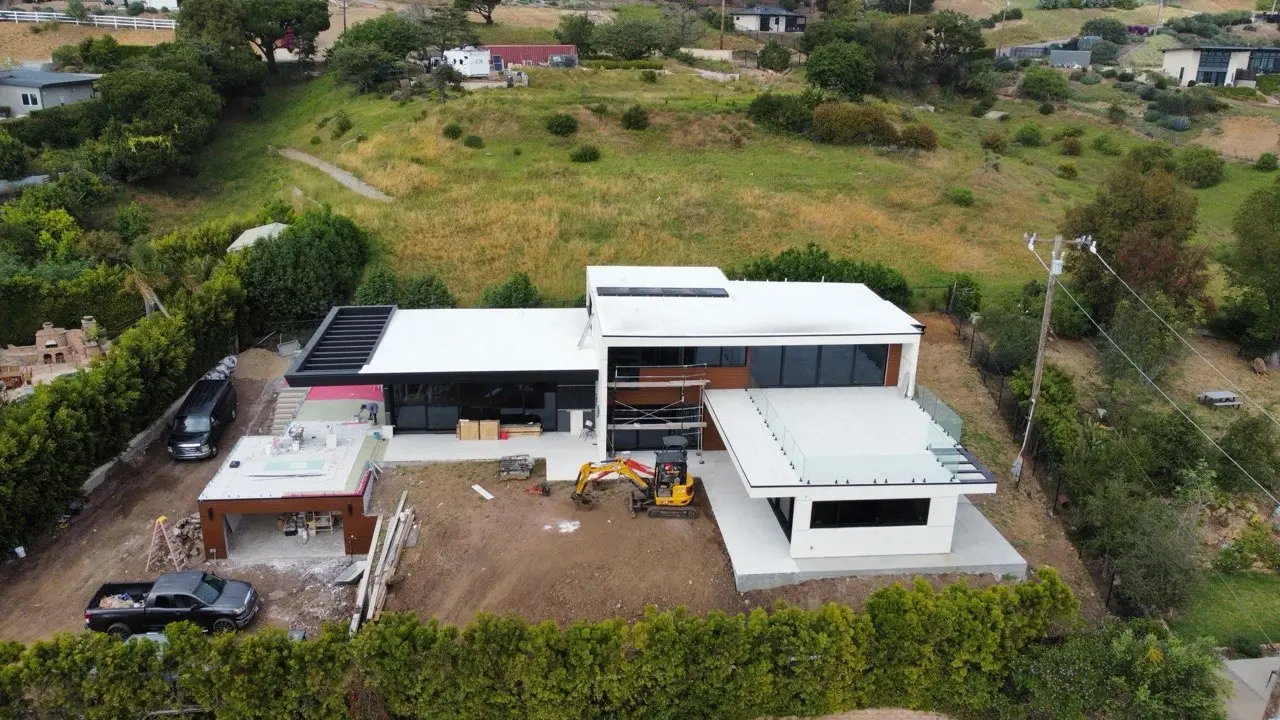
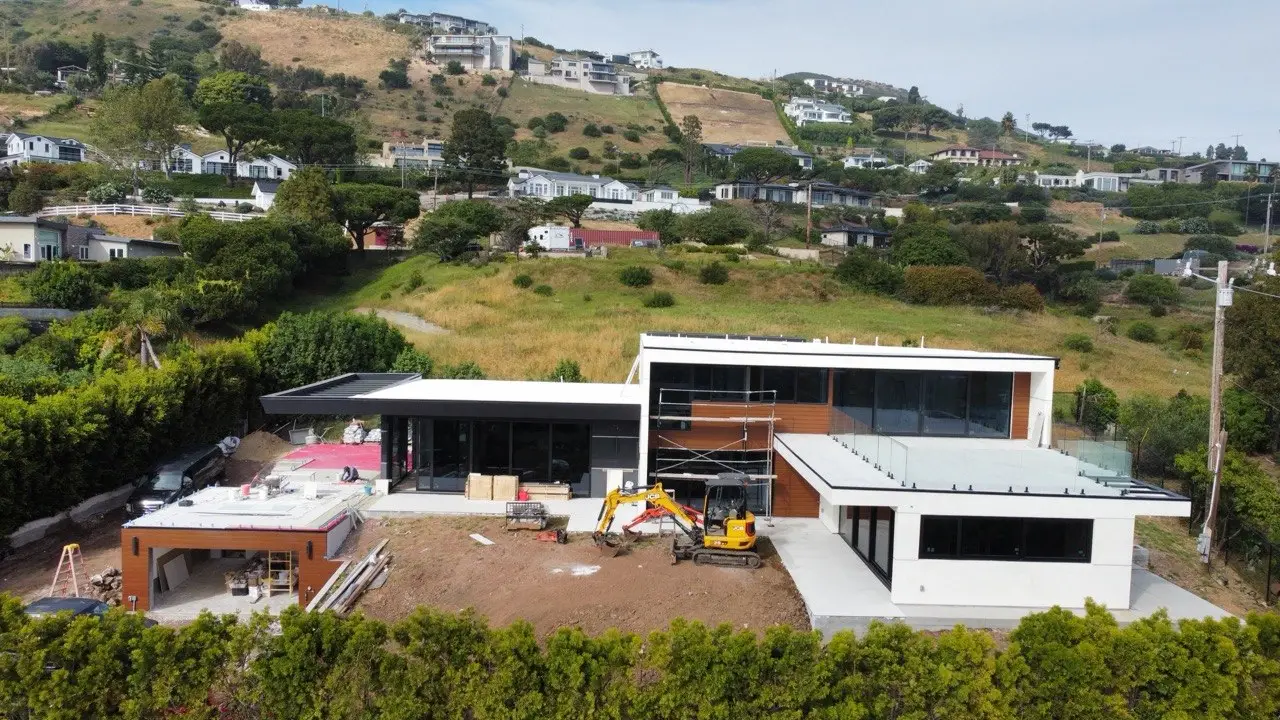
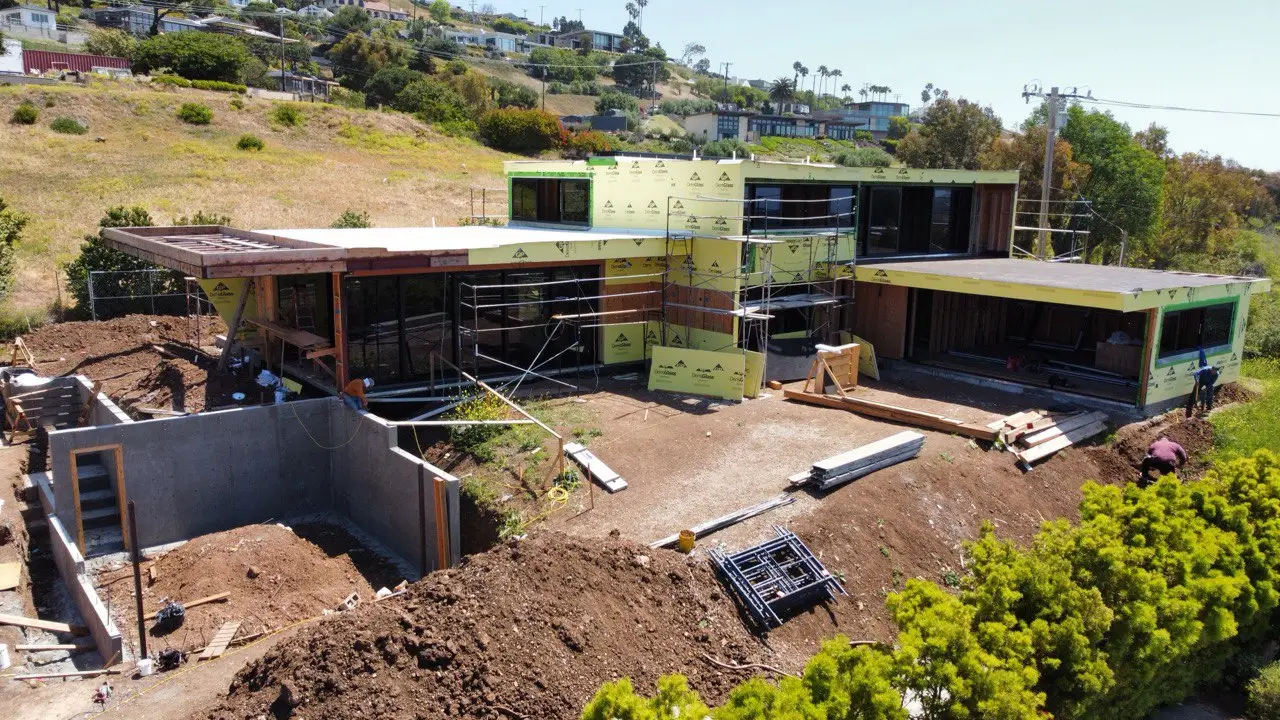
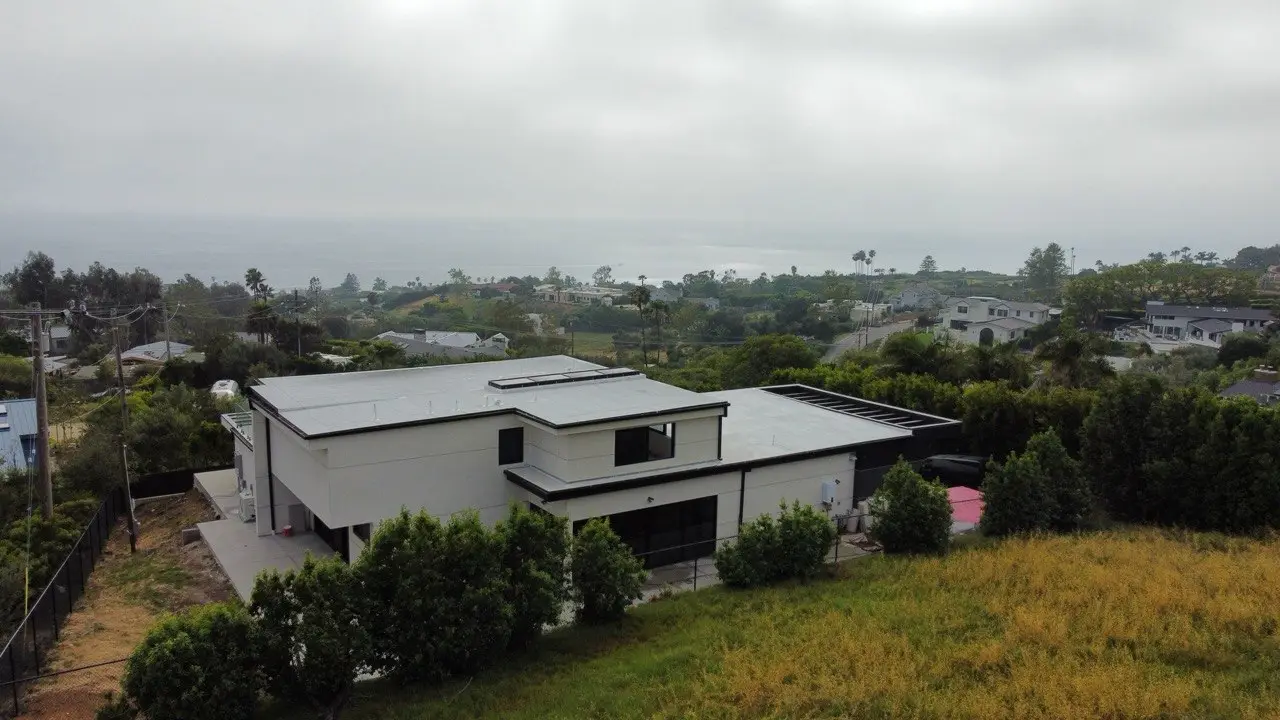
Aerial Site Footage
Footage captured during active construction — foundation and structural work in progress on the Malibu Coastal Zone hillside site.
Three Agencies — Each With Independent Veto Authority
A hillside lot inside the Malibu Coastal Zone is subject to three separate regulatory bodies, each with its own application, timeline, and the independent authority to permanently halt a project. DWD Builders ran all three concurrently from day one.
Coastal Development Permit (CDP)
The CCC has jurisdiction over virtually all of Malibu under the California Coastal Act. A Coastal Development Permit is required before any construction permit can issue. The CDP process involves a complete application, environmental documentation, public notice, and potential public hearing. Conditions imposed by the CCC must be reflected across all other agency submissions — making it the linchpin of any Malibu Coastal Zone entitlement strategy.
Chapter 7A, Fuel Modification & Fire Access
All of Malibu is designated Very High Fire Hazard Severity Zone (VHFHSZ). LA County Fire requires a fuel modification plan — a defensible space design addressing vegetation clearing zones — as well as a fire access review covering driveway width, grade, and turnaround dimensions. Chapter 7A fire-resistant construction must be fully specified in the architectural plans before any other agency will accept a plan check submission.
Building Permit & Grading Permit
The City of Malibu Building & Safety Department issues the building permit and grading permit — but not until Coastal Commission and Fire approvals are in order. The City's plan check process for hillside Coastal Zone projects includes its own architectural and engineering review, which must reflect all agency-imposed conditions in a single coordinated set of construction documents.
Guides for Malibu & Coastal Hillside Projects
Malibu Fire Rebuild 2026: What Homeowners Need to Know
How to Navigate Coastal Commission Approvals in Malibu
LA Hillside Ordinance: The Complete Builder's Guide
Retaining Wall Requirements in Los Angeles
How Much Does It Cost to Build on a Hillside Lot?
Building in Malibu's Coastal Zone — Frequently Asked Questions
Does every construction project in Malibu require California Coastal Commission approval?
Virtually all new construction, major remodels, and additions in Malibu require a Coastal Development Permit (CDP) from the California Coastal Commission because the entire city falls within the Coastal Zone under the California Coastal Act (Public Resources Code §30000 et seq.). Any project involving new structures, grading, foundation work, or significant additions will require a CDP. The CDP is a separate process from the City of Malibu building permit and should be submitted concurrently to avoid adding 6–12 months to the entitlement timeline.
How long does it take to get all permits for a new home in Malibu?
Total permitting for a new custom home in Malibu's Coastal Zone typically runs 18–36 months from the start of the design process to building permit issuance — longer than virtually any other jurisdiction in Los Angeles County. This timeline includes Coastal Commission application preparation and review (4–12 months), LA County Fire fuel modification plan review (2–4 months concurrent), and City of Malibu plan check (4–8 months concurrent). When all three agencies are submitted concurrently through a single coordinated document set, the timeline compresses significantly. Sequential submissions add years.
What geotechnical work is required before building on a hillside in Malibu?
Every hillside construction project in Malibu requires a licensed geotechnical engineer to complete a site-specific soils investigation before any foundation can be designed. The soils report characterizes the existing geology — surface soils, bedrock depth, groundwater conditions, landslide potential, and expansive soil behavior — and recommends the engineered foundation type and design parameters for that specific site. The report is required by the City of Malibu Building Department as part of the building permit application and must be reviewed before plan check can proceed. Foundation systems on Malibu hillside sites vary based on site-specific conditions and are always determined by the soils investigation.
What is Chapter 7A and does it apply to all Malibu construction?
Chapter 7A of the California Building Code governs wildfire-resistant construction requirements for the Very High Fire Hazard Severity Zone (VHFHSZ). All of Malibu — every parcel — is designated VHFHSZ under CAL FIRE state mapping. Chapter 7A compliance is mandatory on all new construction, major additions, and substantial rebuilds. Requirements cover Class A fire-rated roofing, ignition-resistant siding and trim, ember-resistant vents (1/8-inch mesh or finer), tempered glazing for all windows and doors, and non-combustible eave treatment. Chapter 7A typically adds 8–15% to base construction cost and must be fully specified in architectural plans before any agency will accept a plan check submission.
What is a fuel modification plan and is it required in Malibu?
A fuel modification plan (FMP) is a defensible space design required by the Los Angeles County Fire Department for construction in the VHFHSZ — which includes all of Malibu. The FMP designates three vegetation management zones: Zone A (0–30 feet) requires non-combustible landscaping only; Zone B (30–100 feet) requires reduced fuel load with specific plant spacing; Zone C (100–200 feet) requires selective thinning. The FMP must be designed by a licensed professional, approved by LA County Fire before building permits issue, and maintained by the property owner after construction is complete.
How is building in Malibu different from building in Pacific Palisades or Bel Air?
Malibu has regulatory layers that Pacific Palisades and Bel Air do not. California Coastal Commission jurisdiction is citywide in Malibu — every property requires a CDP; Pacific Palisades and Bel Air are largely outside the Coastal Zone. Most Malibu properties are on septic, triggering a reassessment for any substantial project. The multi-agency coordination requirement — City of Malibu, Coastal Commission, and LA County Fire — is simply not present in non-coastal LA neighborhoods, and contractors who haven't built here before routinely underestimate how these agencies interact.
Have a project like this in mind?
Free consultation — no commitment, just an honest conversation about your build.
We build projects like this every day.
Schedule a free consultation with our team. We'll review your plans, walk the site, and give you an honest assessment — no pressure, no obligation.
Your Project Could Be Next
Contact our team for a free consultation. We'll review your plans, walk the site, and give you an honest assessment — no pressure, no obligation.
Back to Full PortfolioLicensed CA General Contractor · CSLB Lic. #B-991385 · Encino, CA